
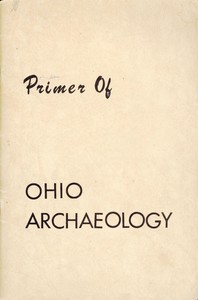
Primer of Ohio Archaeology: The Mound Builders and the Indians by H. C. Shetrone
Forget Indiana Jones for a second. The real archaeological adventure in the early 20th century was happening right here in the Midwest. H. C. Shetrone's Primer of Ohio Archaeology is his report from the front lines of that search. At its heart, the book isn't about a fictional plot, but a real-life historical mystery: the identity of the Mound Builders.
The Story
Shetrone walks us through the landscape of Ohio, pointing out the giant serpent effigies, geometric enclosures, and burial mounds that dot the state. For generations, many white settlers couldn't believe the Native Americans they encountered were capable of such engineering. They invented a myth of a lost, superior race that was wiped out. Shetrone, as a curator at the Ohio State Museum, spent his career digging into these sites. His 'story' is the process of investigation. He shows us the pottery, stone tools, and copper ornaments found in the mounds. He compares them to items made by known historic tribes. Step by step, he builds a case that there was no mysterious lost race. The evidence, he argues, shows a direct connection—these incredible earthworks were built by the ancestors of the Native American peoples.
Why You Should Read It
What makes this old book compelling isn't just the conclusion, which is standard knowledge today. It's watching someone do the hard work to get there. You feel Shetrone's respect for the material and his frustration with the popular fantasies of his era. He's not a dry academic; he's a guide, excited to show you what he found. Reading it now, it’s a powerful reminder of how easily we can create elaborate stories about the past when we don't want to accept the truth right in front of us. Shetrone was arguing for a more honest, evidence-based history, and that fight gives the book a surprising urgency.
Final Verdict
This is a perfect read for anyone curious about Ohio's deep past, amateur historians, and people who enjoy seeing how scientific understanding changes over time. It's not a flashy novel; it's a thoughtful, foundational text. Think of it as a conversation with a knowledgeable old-timer who helped solve one of the state's biggest historical puzzles. Keep in mind it was written in 1930, so some language and perspectives are dated, but that itself is part of the lesson. If you want to understand why those mounds are so important, start here.
Legal analysis indicates this work is in the public domain. Feel free to use it for personal or commercial purposes.
Sarah Scott
1 year agoI had low expectations initially, however the storytelling feels authentic and emotionally grounded. I learned so much from this.
Amanda Anderson
8 months agoSimply put, the arguments are well-supported by credible references. This story will stay with me.
Joseph Flores
1 year agoFinally a version with clear text and no errors.






Lucas Clark
8 months agoClear and concise.