
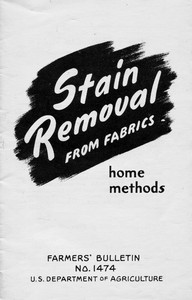
Stain removal from fabrics : home methods by Margaret Smith Furry
I picked up Margaret Smith Furry's 1938 guide, 'Stain Removal from Fabrics: Home Methods', expecting a dry pamphlet. What I got was a direct line into the anxiety and ingenuity of pre-war American homemaking. This book has no characters or plot in the traditional sense, but its voice is unmistakable: practical, slightly stressed, and fiercely resourceful.
The Story
There's no narrative arc, but there is a clear mission. Margaret systematically marches through a rogue's gallery of household disasters. The book is organized by stain type—Protein Stains (blood, egg), Tannin Stains (tea, fruit), Oil-Based Stains (grease, lipstick), Dye Stains (grass, ink), and the ominously titled 'Miscellaneous' (rust, mildew, scorch). For each one, she provides a step-by-step battle plan. Need to get 'fruit stains' out of a white cotton tablecloth? Act immediately. Sponge with cold water. Then try boiling water poured from a height. If that fails, it's time for the big guns: a weak solution of oxalic acid or hydrogen peroxide. Her instructions are crisp and urgent, assuming you have a basic arsenal of borax, ammonia, and clean white blotters at the ready. The 'story' is the implied drama behind every entry—the frantic search for the salt shaker after a red wine spill, the sigh of relief when a grass stain surrenders to alcohol.
Why You Should Read It
You should read this not to learn how to remove iron mold (though her method might still work!), but to feel the weight of fabric in that era. Clothing and linens were significant investments. A ruined dress or suit was a minor financial crisis. Margaret's book was a shield against that loss. Reading it, I was struck by the physicality of her world. Solutions involve boiling kettles, vigorous rubbing, and hanging things in the sun. It's hands-on chemistry. It also paints a vivid picture of daily life: the prevalence of ink, the worry over perspiration stains on silk, the threat of mildew in closets. This isn't a history book telling you about the past; it's a primary source showing you the minute-by-minute concerns of a person living in it. Margaret isn't a writer, but her no-nonsense voice is compelling. She's your no-fuss, savvy grandmother, telling you exactly what to do before the stain sets.
Final Verdict
Perfect for history lovers who enjoy social history from the ground up, for fans of quirky vintage manuals, or for anyone who finds charm in everyday problem-solving. It's a quick read, but a profound one. You won't come away with a page-turning thriller, but you might look at an old tablecloth or a vintage dress in a museum with entirely new, deeply respectful eyes. Keep a bottle of club soda handy while you read—you'll feel the urge to tackle a spot just to honor Margaret's legacy.
This publication is available for unrestricted use. Use this text in your own projects freely.
Ethan Walker
1 year agoA bit long but worth it.
Jennifer Moore
1 year agoMy professor recommended this, and I see why.
Kimberly Miller
1 year agoHelped me clear up some confusion on the topic.
Matthew Lopez
1 year agoVery helpful, thanks.




Donald Allen
6 months agoGreat digital experience compared to other versions.