
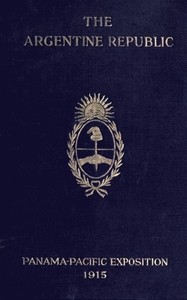
The Argentine Republic by Anonymous
Let's get the basics out of the way first. The Argentine Republic by Anonymous is exactly what the title says: a historical overview of Argentina. It walks you from the fiery days of independence against Spain, through the rise of figures like Juan Perón, and into the complexities of its 20th and 21st-century politics and economic roller coasters. It covers the expected ground—the culture, the conflicts, the societal shifts.
The Story
But here's the thing: the 'story' isn't just Argentina's. It's the story of the person telling it. The narrative is clean and factual on the surface, but the absence of an author's name casts a long shadow over every paragraph. You find yourself reading between the lines. Why is this particular event emphasized? What subtle judgment is hidden in that choice of word? The book becomes a dual narrative: the official history of a country, and the silent, gripping biography of the anonymous historian who risked... something... to put it on paper. The central drama isn't in the past tense; it's in the present tension of the unseen narrator.
Why You Should Read It
I loved this because it made me active. I wasn't just absorbing information; I was playing detective. It made me think deeply about who gets to write history and why. Is the author a dissident? A scholar with controversial ties? Someone protecting their family? This layer of mystery transforms standard historical analysis into something profoundly human. It asks a powerful question: In places with complicated pasts, is anonymity the price of truth? The book's greatest strength is that it forces you to consider the weight of putting your name on a story, especially one that isn't fully over.
Final Verdict
This isn't for someone who just wants a simple timeline of events. It's perfect for readers who love history but crave a unique angle—think fans of narrative nonfiction like The Immortal Life of Henrietta Lacks or the mood of a good political thriller. If you enjoy puzzling over the 'why' behind the writing as much as the 'what' being written, you'll be completely fascinated. It's a quiet, brilliant reminder that history is never just facts; it's always a story told by someone, and sometimes, the most important part of the story is the teller's silence.
There are no legal restrictions on this material. It serves as a testament to our shared literary heritage.

Lucas Lee
8 months agoIf you enjoy this genre, the emotional weight of the story is balanced perfectly. I couldn't put it down.